
The long-term viability of a modern enterprise is deeply connected to how it structures and protects its most vital digital assets. As organizations grow, the limitations of decentralized storage and manual record-keeping become significant barriers to progress. Transitioning to a professional architecture ensures that the company’s knowledge base remains secure, accessible, and ready to support rapid scaling.
Establishing a comprehensive database management strategy allows businesses to achieve a level of operational precision that is impossible with traditional methods. When data is housed in a centralized environment, teams can eliminate the risk of duplicate records and conflicting information. This technical consistency provides a reliable foundation for all strategic planning and high-level financial reporting.
Quality control is significantly enhanced when digital systems are configured with strict validation rules and user permissions. By controlling how information is entered and who has the authority to modify it, companies protect the integrity of their intellectual property. This commitment to data quality ensures that the insights generated by the system are always accurate, actionable, and trustworthy.
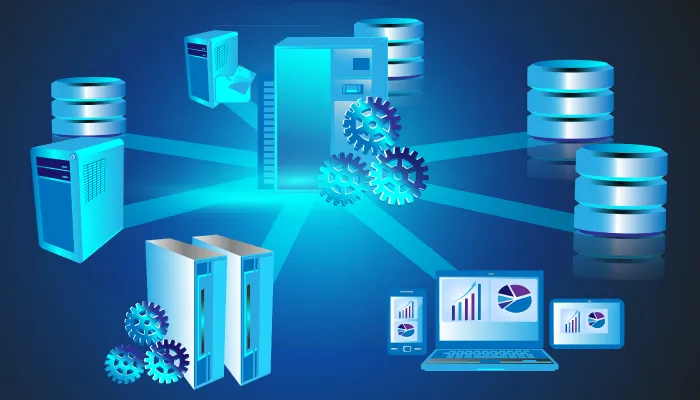
Collaboration among cross-functional teams is simplified when a single source of truth serves as the primary repository for all operational data. Real-time updates ensure that whether an employee is in the office or working remotely, they are always operating with the latest information. This connectivity reduces internal friction and allows for a more cohesive response to shifting client requirements.
A proactive approach to database management provides the technical headroom necessary for a company to expand its operations globally. As transaction volumes increase, a robust platform manages the load while maintaining high availability and peak performance. This resilience is a key differentiator for organisations aiming to lead their industry and maintain a competitive edge.
Digital transformation is most successful when it empowers employees at every level to interact with data through intuitive interfaces. By democratizing access to database tools, companies encourage a culture of self-sufficiency and rapid departmental innovation. This shift reduces the burden on specialized IT resources and allows teams to solve their specific problems in real-time.
Security and business continuity are strengthened through automated backup protocols and granular access logs that protect sensitive assets. Ensuring that records are both safe from external threats and recoverable in any scenario is a fundamental responsibility of modern leadership. This level of preparedness instills confidence in stakeholders and protects the brand’s reputation in a digital world.
Selecting a versatile Business database platform is a critical decision that influences the future efficiency of the entire workforce. Such a platform must bridge the gap between various business functions while providing a secure and scalable environment for long-term growth. Investing in high-quality digital infrastructure is the key to building a resilient and future-proof organization.
In conclusion, the sophisticated handling of organizational records is a primary driver of value and stability in the modern economy. By prioritizing structure, security, and accessibility, companies can transform their information into a significant competitive advantage. The journey toward a more efficient and data-driven future begins with a solid foundation built on technical excellence.